Top Photo Credit: Soilutions 2026
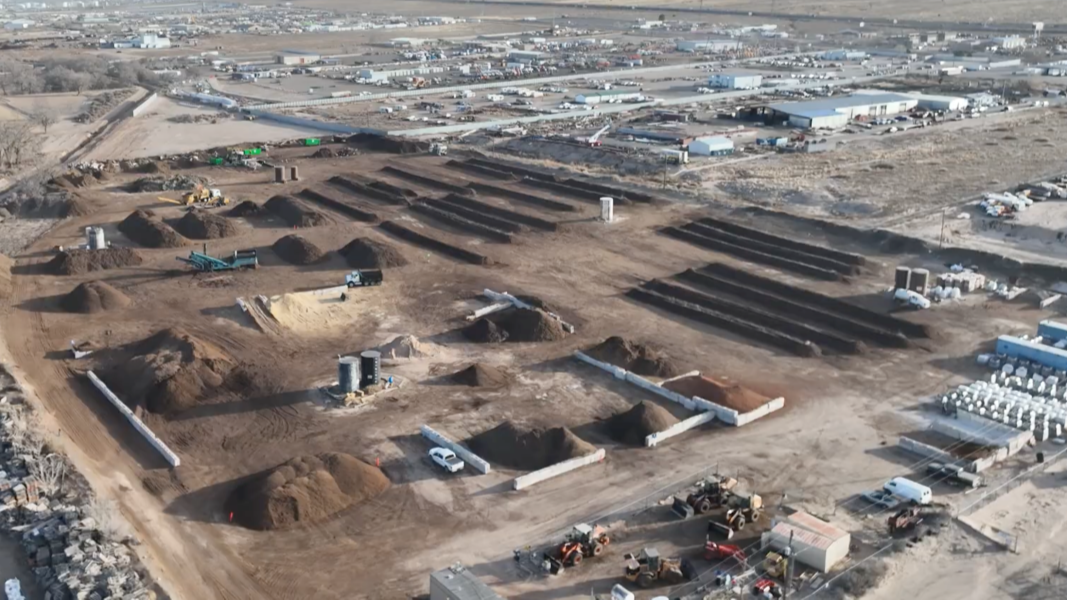
Soilutions has been building toward higher volume food waste processing for several years, and a new partnership in Albuquerque, New Mexico shows what that runway can look like when collection, depackaging, and compost manufacturing are designed as one system. In 2024, BioCycle profiled how Dawn and Justin Dewey acquired Soilutions and began scaling operations at its 14-acre site to process greater volumes of food waste and woody feedstocks while expanding markets for compost, soil blends, and mulches.
That scale up is now translating into a restaurant-facing program launched with Denali, with early momentum from a local brand that other generators will recognize. M’tucci’s Restaurants recently finalized a partnership with Soilutions, becoming the second restaurant to join the composter’s food recycling program after Farm and Table. The pilot starts at M’tucci’s Bar Roma, the group’s highest food waste generator, with the intent to expand across additional locations once the operational model is proven in the most challenging setting.
Operational Design
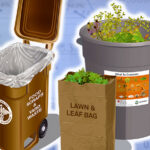
Denali supplies the collection carts and service, collects material on a scheduled basis, and delivers loads to Soilutions alongside a Denali-provided depackaging machine that separates food from its packaging, according to the New Mexico Recycling Coalition. Grocery stores remain the biggest contributors in the city, and that aggregation helps create steady weekly tonnage while restaurants are onboarded in parallel. Soilutions reported that with its site prepared for large volumes and certifications secured late last year, it is ready to add more local restaurants.
M’tucci’s had explored a smaller version of the program in prior years, but cost was a barrier before Denali entered the picture, according to the Albuquerque Journal. With Denali, the restaurant group described pricing as more reasonable, and a news release cited in the Albuquerque Journal said the cost is comparable to, and potentially even less than, traditional waste disposal. That is the critical unlock for any composter trying to grow commercial food waste intake without relying on feel-good budgets. If the service can compete with landfill hauling on price while reducing contamination risk through depackaging, participation becomes a procurement decision, not just a sustainability decision.
Soilutions and Denali have framed the program as the first of its kind in New Mexico, with an ambition to transform roughly 250 tons, or 500,000 pounds, of spoiled and wasted food into compost each week. For manufacturers watching market development, the takeaway is replicable system design that pairs feedstock security with processing readiness and a price point that keeps generators in the program.