A horizontal grinder breakdown in July costs more than a preventative maintenance visit in February. Teeth dull, screens clog, belts stretch — grinding pallets, stumps, or green waste day in and day out guarantees it. The only question is whether you handle it on your schedule, or a breakdown forces the issue on its own.
Total Cost of Operation and Profits
For every dollar spent on preventative maintenance, an operation can save an average of $5 in repair costs. Lost production time, emergency labor, parts, and freight all cut into total cost of operation — and running a machine hard on worn teeth, leaking hydraulic fittings, or loose belts burns more fuel while producing less material per hour. Preventative maintenance can save 12-18% by turning surprise repair bills into a line item you budget for instead.
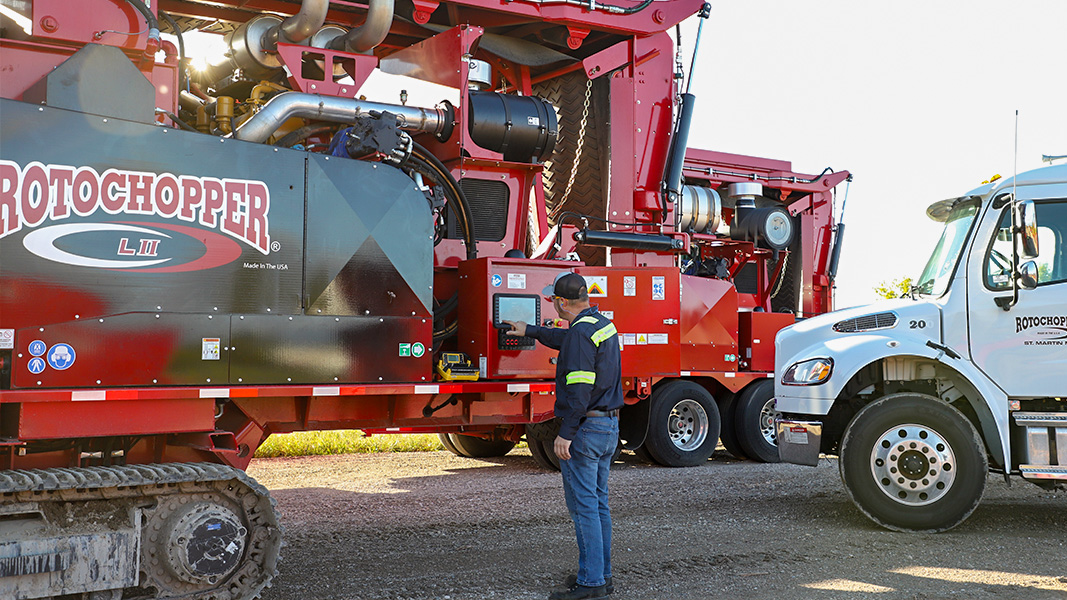
Part of controlling that cost is knowing what a crew can handle in-house and what needs a factory tech. Daily walk-arounds — checking teeth, belt tension and fluid levels, clearing debris off mounts, and greasing bearings, — are operator work, and cost nothing but time. Rotor balancing, hydraulic diagnostics, engine or clutch work, and anything requiring the machine to come apart is tech work — and it’s also when bigger wear items like screens, mounts, and rotor bearings typically get replaced.
Freight and downtime are two of the biggest hidden costs in that total, and both come down to whether the right part is on hand when it’s needed. Rotochopper’s Uptime Parts Kit is built around that gap — stocked with the most commonly replaced items (teeth and hardware, belt and lacing supplies, hydraulic filters, cylinders, sensors, fasteners) specific to a given machine, so when a tech finds something worn on a visit, it gets replaced that day.
Preventative maintenance plans are priced around the machine, hours run, and material processed, so there’s no single number that fits every operation. ARotochopper rep can build a plan around your specific setup.
Machine Performance and Lifespan
Preventative maintenance can extend equipment lifespan by 20-40%. Skip it long enough and the machine stops performing the way it’s supposed to — worn teeth and screens, dirty bearings, hydraulics or oil past its service life will slow output, hurt product quality, or both.
Not every wear part fails on a schedule. Some wear at the rate of whatever is coming through the machine:
- Teeth — take the brunt of the abrasion. Check multiple times a day; flip or replace once dull, and replace immediately if wear reaches the mount.
- Screens — control end product size. Watch for thinning, stretched holes, or a drop in production; clean after every use.
- Mounts — hold teeth to the rotor. Check daily for damage or looseness; a worn mount left unchecked can throw the rotor out of balance.
- Wear liners and hardfacing — protect the grinding chamber and high-wear areas. Inspect on the daily walk-around and repair before wear reaches base metal.
Others run on a fixed clock, regardless of feedstock:
- Rotor bearing grease — every 300–750 hours depending on use; check at 300 hours, recheck every 100 if contaminated.
- Clutch oil (FP-66 and B-66 models) — every 500 hours, filter included.
- Drive belt tension — with every oil change on diesel grinders, or every 250 hours on electric grinders; retighten 20 hours after a new belt goes in.
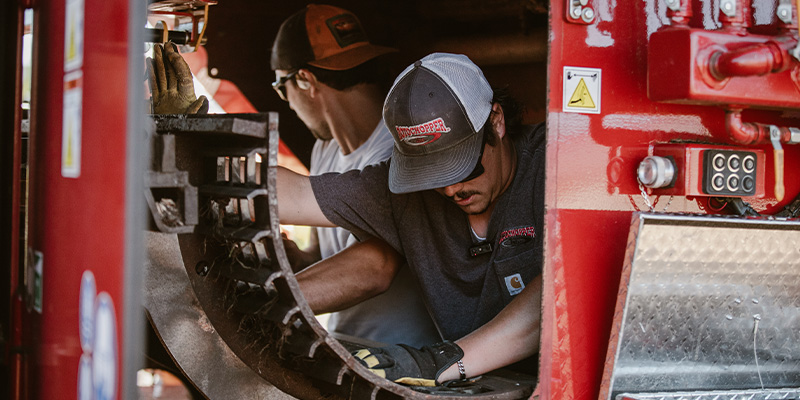
How fast the material-dependent parts wear still depends on what’s going through the machine. A grinder running pallets eight hours a day wears differently than one processing green waste three days a week — pallets bring metal contamination that’s hard on teeth and screens, land-clearing debris brings dirt and rock that’s hard on teeth and mounts, and clean green waste run only a few days a week is gentlest on the machine overall. Rotochopper techs adjust what they inspect at each visit based on age, feedstock, run hours, and what was found last time.
Uptime and the Long Game
Operations that run on preventative maintenance rather than reactive repair see up to 52.7% less unplanned downtime — and breakdowns tend to hit during peak season, not a slow Tuesday. Documented maintenance also matters beyond the shop floor: lenders and insurers weigh service records and repair logs when financing or insuring a fleet, and a grinder with a clean maintenance history sells, trades, and finances better.
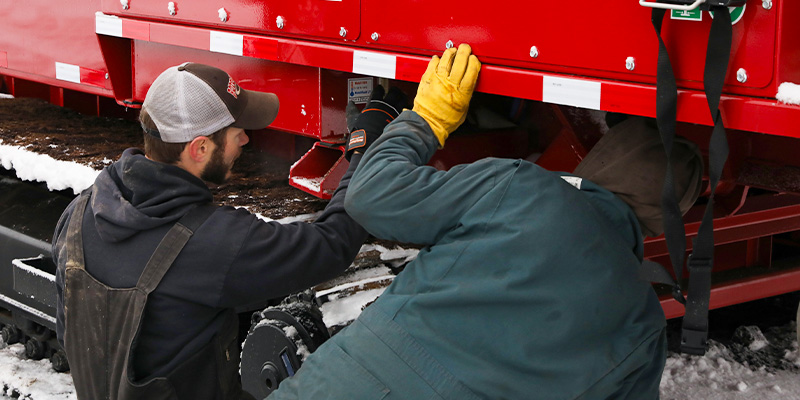
“Ask anyone on our service team which machines they worry about, and it’s never the ones on a preventative maintenance schedule,” notes Adam Asmus, Rotochopper’s Manager of Customer Service. “It’s always the ones we haven’t seen in a year, where nobody really knows what shape the teeth or the bearings are in anymore. When we’re out there regularly, we catch the small stuff before it turns into a service call nobody planned for. That’s the whole point of the program — not just fixing things, but knowing what’s coming before it happens.”
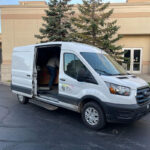
Rotochopper’s Preventative Maintenance Program covers horizontal grinders, shredders, and supporting equipment, with regular visits scheduled around the operation’s production calendar and emergency visits available when something breaks. A service tech arrives in a fully stocked Rotochopper Service Truck and works on Rotochopper equipment exclusively — not five or six different brands — which means faster diagnosis and fewer repeat visits.
Support runs between scheduled visits too:
- Phone support from an internal service team with over 100 years of combined experience, who troubleshoot on the call and dispatch a tech when needed
- RotoLink® remote monitoring, which tracks machine performance in real time and flags issues before a scheduled visit
- The Uptime Parts Kit, stocked with commonly replaced items so a tech can fix what they find on-site
About half of Rotochopper’s business comes from repeat customers — the clearest sign the support holds up.
The Bottom Line: Preventative Maintenance Pays for Itself
A grinder running worn parts is losing money quietly — in fuel, output, and margin — long before it breaks down loud. Preventative maintenance turns that slow bleed into a scheduled, budgeted cost, and keeps the machine, and the operation behind it, running longer.
Call 320-875-9950 or visit rotochopper.com/service to schedule a service visit.