
Renüable has launched a major expansion of its composting operations in Florida, rolling out service across 83 Starbucks locations from Miami to Gainesville in a single week. The milestone reflects a significant step forward for the state’s organics recycling infrastructure and highlights the growing role of large generators in scaling food scrap diversion.
The expansion is expected to divert hundreds of thousands of pounds of coffee grounds and food scraps each month from landfill, returning organic material to Florida soils and supporting regenerative agriculture efforts.
“Launching across this many [Starbucks] stores in one week has taken serious coordination… I’m really proud of how smoothly this has been coming together,” said Founder Xavier DeRoos in a recent announcement.
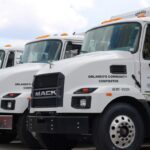
According to DeRoos, one of the key enablers was investment in infrastructure and staffing. “One of the biggest operational unlocks has been expanding our infrastructure and team,” he explained. “We’ve grown our operations by bringing on new drivers and increasing our container capacity, which has allowed us to service more locations efficiently. Standardizing our processes across routes and locations has also been key to maintaining consistency as we scale.”
Material collected through the program is currently processed through a combination of Renüable’s own site and regional partners. “We process some material at our local farm in South Central Florida,” DeRoos noted. “To support continued growth, we also partner with other local farms to manage any excess material.” He added that the company is actively working to expand local composting capacity through partnerships with municipalities and additional infrastructure development.
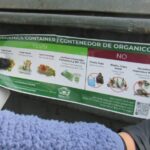
Maintaining material quality across more than 80 locations presents its own challenges. Renüable is addressing this through a combination of training and post-collection controls. “Training is conducted in partnership with Rubicon, ensuring consistency across all locations,” said DeRoos. “We also perform post-collection sorting to remove contamination and maintain material quality, and we work closely with partners to reinforce proper practices when issues arise.”
For Florida, where composting infrastructure is still developing, the rollout represents both increased diversion capacity and a signal of growing demand. As DeRoos put it, “This is how Florida’s composting infrastructure gets bigger and better: strong partners, local infrastructure, and teams that know how to execute at scale.”