The U.S. Department of Energy (DOE) is putting $6.9 million toward the front end of waste-to-energy project development, funding nine projects across six states that will evaluate whether local organic waste streams can be converted into low-carbon transportation fuels.The complete list of the nine selected projects is available through the DOE funding announcement.
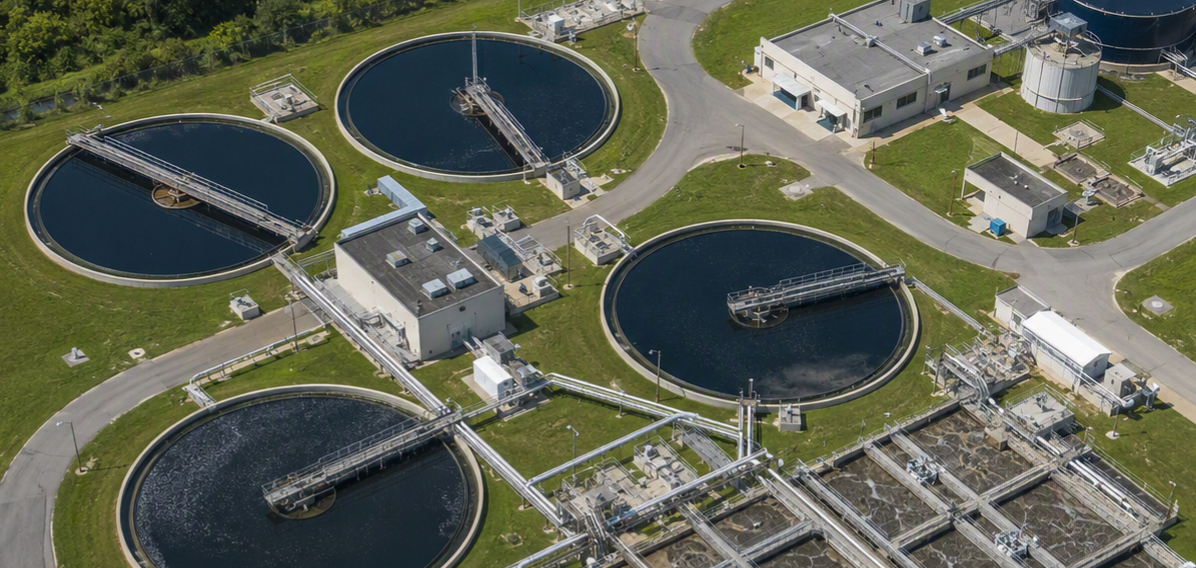
The awards, administered jointly by DOE’s Bioenergy Technologies Office and Vehicle Technologies Office, focus on food waste, municipal wastewater sludge, municipal solid waste, and manure. At an average of roughly $767,000 per project, the awards are not construction grants, but instead are aimed at the work that comes before infrastructure gets built, including feedstock characterization, techno-economic analysis, transportation fuel use cases, engineering design, and experimental validation. That early work often determines whether a project can move from concept to financing. For example, many communities have organic waste streams that appear promising on paper but lack the data needed to support investment. How much material is available year-round? What level of contamination is present? How far does it need to be hauled? Which conversion pathway makes sense? Can the resulting fuel serve a local transportation need? These are the types of questions the funding is designed to answer.
DOE divided the awards into two project categories. One set will conduct feasibility studies and systems analyses to evaluate potential waste-to-energy pathways. A second set will support more advanced projects that have already completed preliminary feasibility work and are ready for engineering design and validation. Some of those projects may later be eligible to compete for additional funding to construct and operate pilot-scale facilities.
The six-state spread suggests DOE is looking at waste-to-energy as a local infrastructure question rather than a single national template. Wastewater sludge, manure, food waste, and MSW each behave differently depending on collection systems, climate, distance to processing, local energy demand, and existing waste infrastructure. The selected projects are expected to evaluate those conditions in place, with transportation fuel production as the end use.