
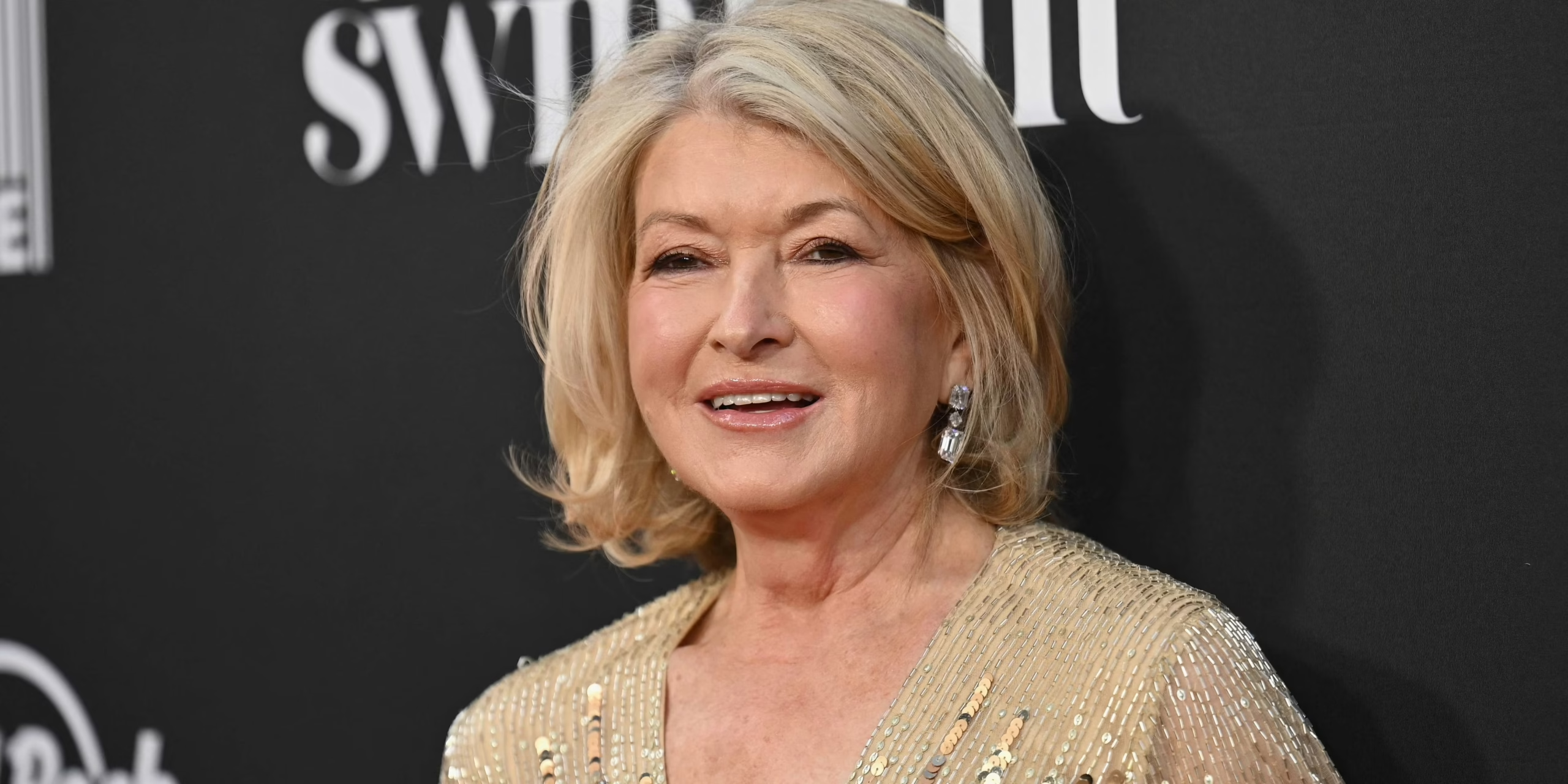
Top: Photo Credit: Angela Weiss / AFP / picturedesk.com
Human composting is moving from a niche concept to mainstream conversation. In a recent Radar Online piece, Martha Stewart shared that she would like her remains to be composted, a choice that aligns with her long-standing embrace of gardening, sustainability, and natural systems. In New York State, where Stewart resides, it is legal to compost human remains. Human composting, also known as natural organic reduction, is a controlled biological process that transforms human remains into soil through managed decomposition. The cultural icon’s comments reflect a growing cultural openness to natural organic reduction, particularly among younger generations who increasingly view end-of-life decisions through an environmental and values-based lens.
That cultural shift is now being matched by policy momentum. In December 2025, New Jersey Governor Phil Murphy signed legislation legalizing human composting, making New Jersey the latest state to formally authorize the practice. As of late 2025, human composting is legal in 14 U.S. states, including Washington, Colorado, Oregon, Vermont, California, New York, Nevada, Arizona, Delaware, Maryland, Minnesota, Maine, Georgia, and New Jersey. While implementation timelines vary, the steady expansion signals growing acceptance of natural organic reduction as a viable alternative to burial and cremation.
For the organics recycling community, this moment highlights how core composting concepts – biological transformation, soil health, and circularity – are increasingly shaping public discourse in unexpected arenas. As more states consider similar legislation, human composting is becoming part of a wider conversation about sustainability, stewardship, and how society manages material flows, even at the end of life.