
Top photo: Courtesy of Sustainable Generation
Miami-Dade County officials recently showcased a new composting pilot at the South Dade Landfill as part of broader efforts to expand organics diversion and advance the County’s Zero Waste goals.
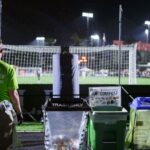
The pilot is being operated by Fertile Earth Worm Farm, which was selected through an innovation challenge administered by the Miami-Dade Innovation Authority (MDIA). The project is designed to evaluate the feasibility of processing food scraps and clean yard trimmings into compost while generating operational and environmental performance data to inform future organics management decisions. Fertile Earth Worm Farm installed a Covered Aerated Static Pile (CASP) composting system from Sustainable Generation, which is designed to accelerate the composting process while significantly minimizing odors. Feedstocks include clean ground-up yard debris collected from the County’s Department of Solid Waste Management (DSWM) Trash and Recycling Centers and bulky waste pickups, as well as food scraps collected from Fertile Earth’s customers.
According to Miami-Dade County, the pilot is expected to process approximately 100 tons of organic material every 10 weeks. County officials said the demonstration marks an important step toward understanding how composting could fit into long-term waste diversion strategies and future infrastructure planning efforts.
The initiative brings together several County departments and organizations, including the DSWM, Miami-Dade Environment (DERM), MDIA, and community partners. Officials emphasized that the project is intended not only to evaluate composting technology, but also to explore scalable approaches for managing organic materials that are currently disposed.
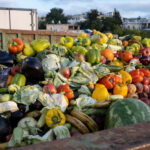
Food scraps and yard trimmings represent close to 30% of the county’s MSW stream. County leaders noted that interest in composting has been a recurring theme during public engagement efforts related to Zero Waste planning. The pilot is expected to provide real-world data on system performance, material handling requirements, and operational considerations that could shape future County programs. The county’s solid waste incinerator was destroyed by a fire in 2023; the price tag for a new facility is reported to be around $2 billion, which would require garbage rate increases.Results from the pilot will help determine whether composting could play a larger role in Miami-Dade County’s long-term strategy to reduce disposal, recover organic materials, and move closer to its Zero Waste objectives.