
Top: Membrane gas holder at Neuse River WRRF. Photo courtesy City of Raleigh, North Carolina
The City of Raleigh, North Carolina held a ribbon cutting at the Neuse River Water Resource Recovery Facility (WRRF) in October for its new Bioenergy Recovery Project. This new system produces green energy through the production of biogas and uses an innovative process called “thermal hydrolysis” to treat the biosolids. The system acts as a “pressure cooker” to help to improve the anaerobic digester performance, including production of more biogas, and reduces the overall biosolids amount by around 50% when compared to the previous equipment, explains the City. The Class A biosolids are being land applied on City-owned property and other permitted acreage, as well as being provided to interested third-party end users in agricultural settings.
The biogas is converted to renewable natural gas (RNG) and delivered to a nearby natural gas pipeline. On average, more than 400 dekatherms are generated daily. The RNG is being used primarily for the City’s Go Raleigh bus fleet, fueling more than 70 city buses per day. It also can be sold to a third party as revenue, notes the City. The Neuse River Bioenergy Resource Project is the first municipal wastewater digester that produces RNG in North Carolina.
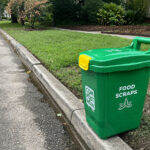
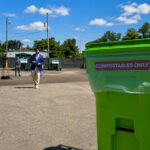
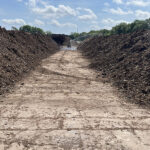
Elsewhere in Raleigh’s city government, its Solid Waste Services department is exploring pathways to enable viable food waste processing at its Yard Waste Center. The Center does not currently accept food waste for processing and there is currently no other alternative within Wake County. The Center is initiating a six-month Food Waste Processing Pilot Program to assess how food waste can be incorporated into its current composting operations. “The SWS anticipates the batch processing of food waste to begin in January 2026,” according to the SWS website. “It will process 55 tons of pre-identified food waste supplied by a designated private partner over a six-month time frame. No additional food waste from other sources will be collected or composted as part of this pilot. The Food Waste Processing Pilot Program does not include a collection service. SWS is evaluating collection service options and partnerships in the region and plans to share the findings after this pilot program has been completed.”