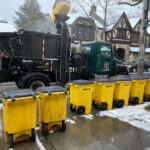
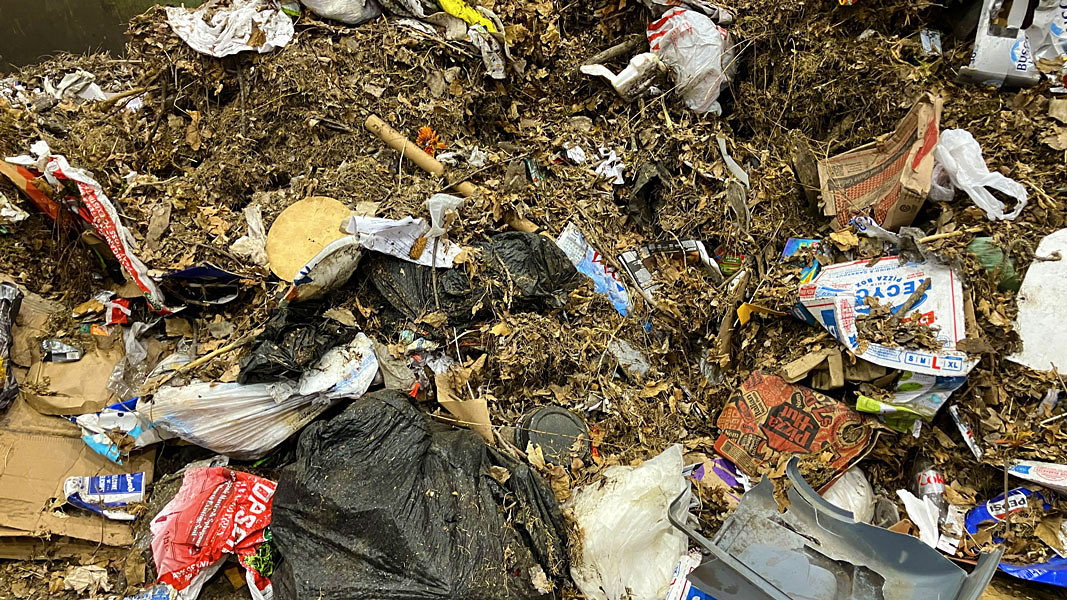
Top Photo: Proposed projects must use outreach and behavior change tools to reduce contamination by at least 50% in incoming residential organics. Photo courtesy of Amplify for Change
World Wildlife Fund (WWF), in collaboration with the Institute for Local Self-Reliance (ILSR), has opened a new grant program focused on increasing participation and reducing contamination in residential food waste collection and composting programs.
The Education and Outreach for Residential Composting Programs Grants are part of the Ending Wasted Food Within a Generation Program and will provide awards ranging from $75,000 to $250,000, with an average grant size of approximately $150,000. WWF and ILSR expect to make 15 to 20 awards, with projects running for 12, 18 or 24 months.
Applications are due February 12, 2027, at 5 p.m. ET, and the earliest project start date is June 1, 2027.
The grants are designed around behavior change rather than infrastructure. Proposed projects must use community-informed social marketing and localized outreach to increase participation in residential food waste composting programs by at least 50%, reduce contamination by at least 50%, or both. Programs may focus on curbside, drop-off or on-site collection systems, including multifamily housing. Applicants must also define specific, measurable behaviors and identify the barriers and motivators affecting those behaviors.
The Request for Applications makes a distinction between broad goals such as “composting food scraps” and narrower behaviors that can actually be tested. Examples include signing up for collection service, setting out a compost cart on a specific day or removing produce stickers before placing food scraps in a bin.
That measurement requirement is central to the program. Projects are expected to track outcomes using direct measures such as participation rates, contamination audits, cart set-out observations, collection weights or observed use of community collection sites. Metrics such as event attendance, kitchen pails distributed or social media engagement can be reported, but are not intended to stand in for actual behavior change.
Grant recipients will also be expected to produce open-source campaign materials that other communities can adapt. ILSR plans to compile those materials into a broader social marketing toolkit that builds on EPA’s existing Composting Food Scraps in Your Community resources. WWF and ILSR will also provide technical assistance, peer learning and individualized support to grantees during the grant period.
The funding is not intended to pay for collection operations or processing infrastructure. Applications for equipment or labor to collect and compost food waste, or to expand existing compost sites, are not eligible. Instead, allowable costs include staff time, outreach materials, communications and media work, training, participant incentives, consulting, workshops and some supplies such as countertop pails and compostable liners.
Eligible applicants include local and Tribal governments, nonprofits, educational institutions, states and U.S. territories. For-profit businesses, including community composters and consultants, cannot apply directly, but may participate as subcontractors or project partners subject to federal procurement requirements.
The grant program also places emphasis on replicability. Applications are scored in part on whether the intervention can be sustained, scaled and adapted by other communities. Projects targeting low-income, rural and Native American communities are encouraged, with applicants expected to account for local economic, geographic and cultural conditions in program design.
Questions will be accepted through January 22, 2027, and budgeting office hours will be offered on Tuesdays and Thursdays during the application window.