
Top Photo: Courtesy of Beaufort County
Beaufort County, South Carolina, is pairing residential food scrap drop-off with local in-vessel composting in an effort to reduce landfill disposal, lower hauling costs and build a more accessible organics recycling system.
The county launched its food scrap composting program in January 2026. By mid-August, residents had diverted more than 30,000 pounds of food waste from landfill disposal, with more than 600 residents completing the county’s educational quiz and participating in the program. Food scraps can currently be dropped off at four county convenience centers in Hilton Head, Bluffton, St. Helena and Shanklin.
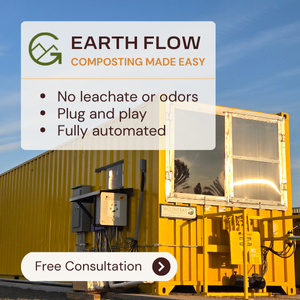
Collected material is transported to the Beaufort County’s Public Works facility on Shanklin Road, where the county operates an Earth Flow in-vessel composting system from Green Mountain Technologies (GMT). GMT notes the system has capacity to process approximately 200 tons/year. The company says the county chose decentralized processing because the nearest commercial composting option required hauling organics outside the county, making diversion more expensive and adding transportation emissions.
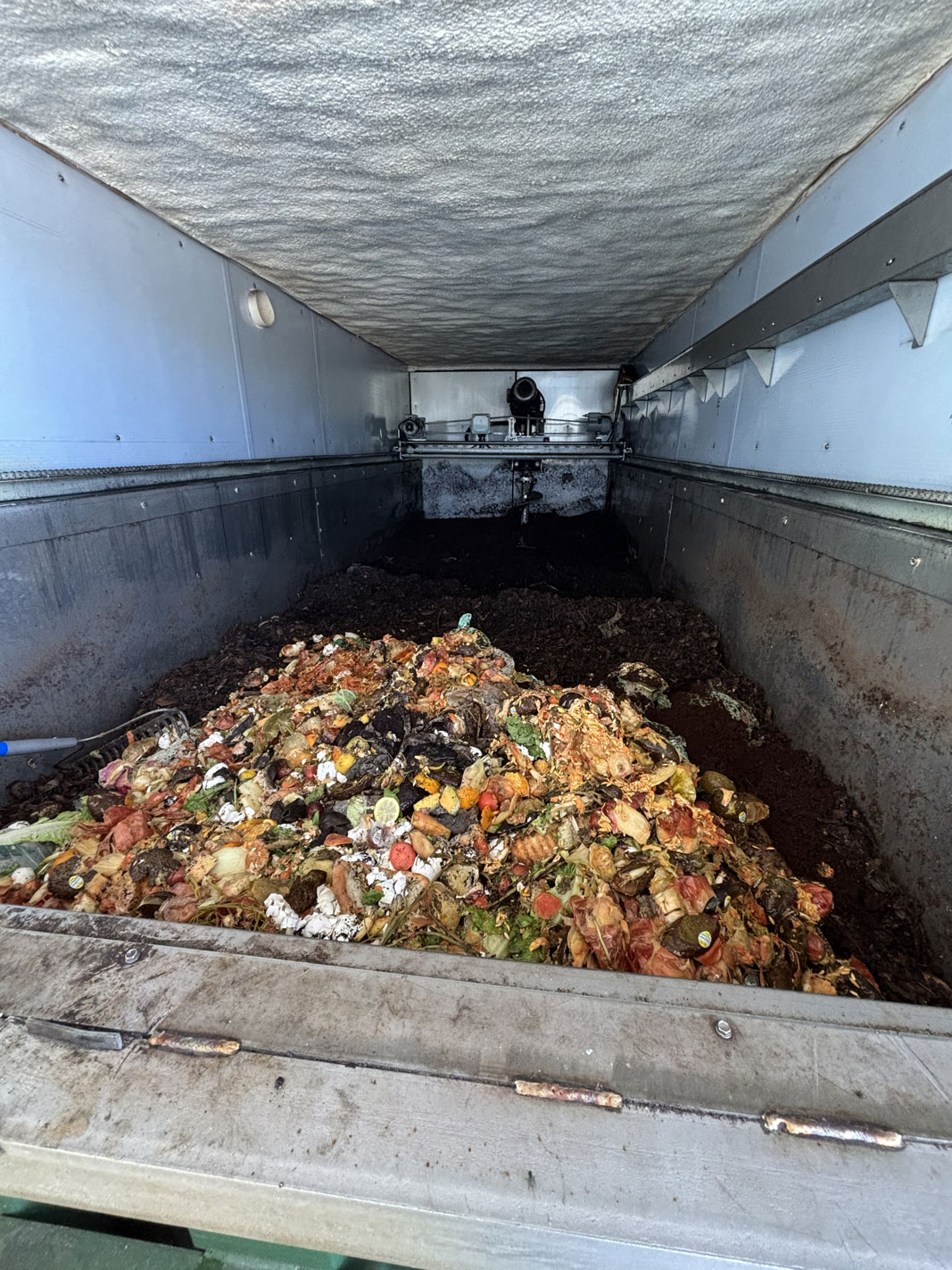
Photo courtesy of Beaufort County.
According to local coverage, county crews collect the food scrap bins each Tuesday and deliver the material to the in-vessel system, where an auger in the vessel helps process the feedstock. Finished compost is being used at a garden near the Public Works building.
Education has been built directly into participation. Residents complete an online educational video and quiz before receiving access to the food scrap drop-off bins. GMT reports that the program has expanded beyond households to include two local schools and four businesses through the county’s Green Business Program.
Cost avoidance is another motivation. Beaufort County has spent approximately $149,000 on organic waste disposal. County officials estimate the composting initiative has the potential to save taxpayers more than $1 million over time by avoiding landfill hauling and tipping costs.
Growing the program is on the horizon. County officials have discussed expanding into the school district, adding business participation and eventually creating regional partnerships that could enable neighboring counties to use the composting site.