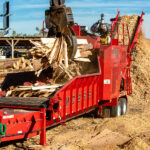

Top: Image courtesy US Composting Council
The US Composting Council (USCC) released its second annual Public Policy Report on December 1, which “serves as a concise overview of the 2024-25 legislative cycle.” The report focuses on state and federal legislation, policies, and strategies that affected USCC members from summer 2024 through the 2025 legislative season, from Extended Producer Responsibility bills in Maryland and Colorado to shifting federal policy on Perfluoroalkyl Substances (PFAS), according to USCC. One “overarching” theme in the document is the following: “With the 2024 Presidential election bringing a new Administration, the compost industry and related environmental causes have incurred considerable losses in financial support and focus at the federal level. Activity continues to be more robust in state legislatures than in Congress, due to the level of partisanship experienced at the national level. Neither the Compost Act nor the earmarking of the Compost Act into the Farm Bill has succeeded to date.”
At the state level, 12 states proposed a total of 21 bills in 2025 regarding PFAS contamination in biosolids, states the report. “Bills in Oregon, Rhode Island, Virginia, and Washington were passed that either set new monitoring requirements or initiated studies into the prevalence of PFAS in sewage sludge. The USCC has supported bills calling for additional study and has opposed bills that would ban the land application or composting of biosolids, especially bills setting standards without credible science behind the numbers.”