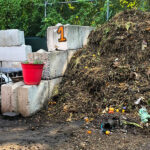
Top Photo: Courtesy of Robert Miller.
Juliana Beecher
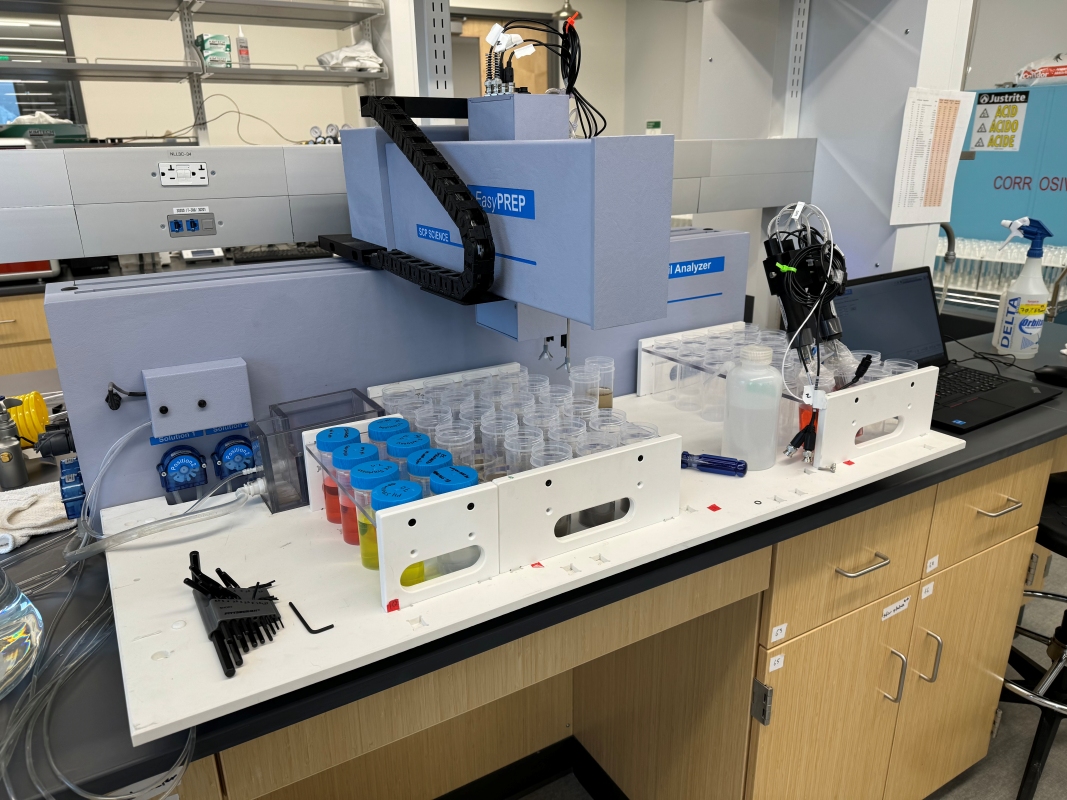
Test Methods for the Examination of Composting and Compost (TMECC) is the lab manual of standard protocols for the composting industry, used by compost producers and laboratories in the U.S. and worldwide to evaluate compost quality. Standard test methods enable the comparison of composts across testing labs and composting processes across facilities. The data from comparable test results become the baseline against which the industry measures compost quality and builds trust with consumers. Standards tell us what we’re actually getting when we buy a bag of compost.
The US Composting Council’s (USCC) Seal of Testing Assurance (STA) program is the national standard for compost analysis and disclosure of compost characteristics. For STA, TMECC is foundational. STA requires compost producers to test 16 compost parameters, and requires labs to use specific test methods published in TMECC for those parameters (see Table 1). Testing the same parameters using the same methods allows for composts to be directly compared to each other. STA certification, backed by TMECC, provides consistent indication of quality through regular testing of certified composts. Testing frequency is based on tonnage produced: quarterly for less than 6,200 tons/year, every two months for 6,200-17,500 tons/year, and monthly for more than 17,500 tons/year.
Table 1. STA Suite of Testing
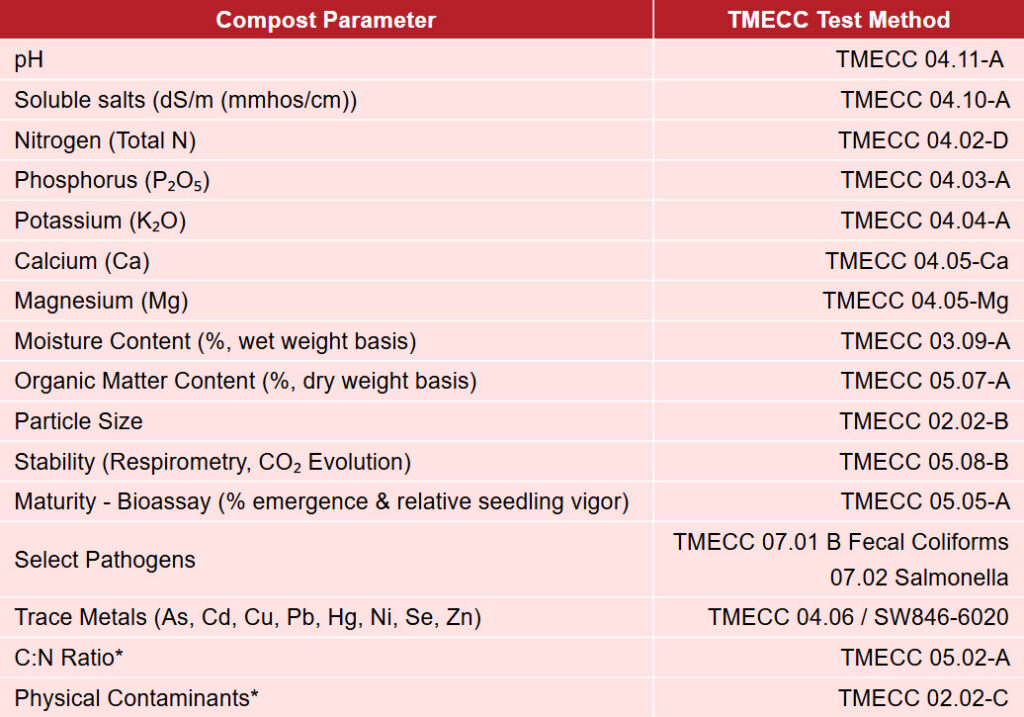
*Supplemental; however, it may be required depending on project specifications or regulatory requirements.
The STA program has eight approved labs across the U.S. that conduct STA testing. Compost producers participating in STA can send samples for testing to any of those labs. How those labs compare to each other in terms of executing the specified test methods is monitored through the Compost Analysis Proficiency (CAP) Testing Program, run by Dr. Robert Miller at Colorado State University. There are 11 to 12 labs that participate in the CAP testing, including the eight STA-approved labs.
Three times a year, CAP participants run tests on samples and share results for comparison. For each round of testing, compost samples are gathered from three different compost producers, utilizing a variety of feedstocks, in different parts of the country. The most recent round of testing included a mushroom compost from Pennsylvania, a biosolids compost from Utah, and a green waste compost from Michigan. CAP grinds the composts to be similar in texture, then divides, packages and ships the samples to participating labs. Each lab tests three samples of three different composts (nine samples in total). CAP chooses a different set of tests to run each round, based on what’s commonly used in the marketplace, what tests they want labs to build proficiency in, and methods required by STA. The CAP team shares medians from the test results with labs so they can see how their execution of a test method compares to their peers, and also how their results compare internally, between samples of the same compost.
TMECC and CAP are science-based underpinnings that give the STA program its credibility. As described in Part I, TMECC is due for an update, given the current landscape of feedstocks, composting technologies, contaminants — and industry and end market growth. “The compost industry has made big strides since TMECC was first created,” says Linda Norris-Waldt, USCC’s Executive Director. “Testing and parameters have helped compost to be a product to trust, from homebuyers to highways to green roofs. As these compost markets expand, consumer and regulatory trust is key.” The STA program helps to build that trust through testing, but also through transparent information sharing. Each STA certified compost comes with a Compost Technical Data Sheet (CTDS), which includes results from required tests, TMECC methods used for testing, feedstocks, and instructions for use provided by the producer. It used to be that labs issued the CTDS for composts they tested. In the interest of more consistency for the STA certification program, USCC now issues technical data sheets, using data that testing labs upload into an online database. That database started as composting facility data (location, feedstocks, production methods, etc.) to include lab results for STA-certified compost products. STA chain of custodies for compost samples are also completed electronically. That’s the kind of dataset, backed by security measures and standard methods, that can prove claims and build trust in compost as the industry pushes to expand into new markets.
Consumers are used to sourcing and comparing information about all kinds of products before purchasing, thanks to our global online marketplace. The compost industry has been slow to adopt digital systems that facilitate more data collection and comparison that allow for clear communication to consumers about which products will reliably meet their needs. TMECC getting updated and becoming available online and USCC consistently compiling data on compost products and producers are steps in accessibility and transparency of information on the compost industry.
Implications of TMECC Updates for STA and End Market Expansion
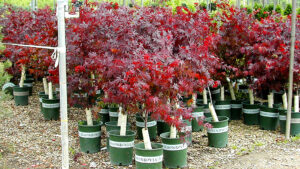
Nursery trees are grown in a potting soil that contains compost. Photo by Ron Alexander.
Certain TMECC updates will likely lead to cost savings for STA compost producers and testing labs. As Norris-Waldt notes, “A modernized TMECC is an opportunity to ask whether we can reduce some of the costs associated with compost testing while maintaining or improving the scientific rigor and reliability of the results.” A full suite of STA tests currently costs $350-$400. Cost reductions as a result of TMECC updates include a longer allowable shipping time for pathogen test samples and the availability of a common, cost-effective test for nitrogen.
STA prioritizes compost characteristics that are agronomically important, but USCC’s market expansion efforts are increasingly focused on non-agricultural markets. A year ago, USCC became one of six organizations in the coalition behind a new 5-year national program, Ending Wasted Food Within a Generation, led by the World Wildlife Fund. USCC is tasked with expanding non-agricultural compost end markets to 40% to 13 million tons by 2030. Markets USCC is focused on include:
- Brownfields remediation
- Wildfire recovery
- Minefield reclamation
- Nursery and horticulture
- Residential
- Turf management (e.g. golf courses)
- Transportation projects (e.g. highway departments)
- Green infrastructure
- Landscaping projects
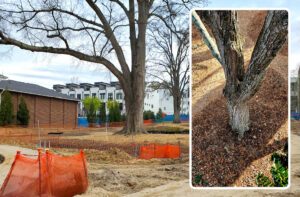
A green infrastructure construction project at a park in Cary, North Carolina utilized compost, including application of a compost/sand blend (inset). Photos by Ron Alexander
Different markets look for different compost characteristics based on planned use, but all want detailed information on what they’re buying, especially if buyers are not experienced users or are bound by technical specifications for projects. That’s where TMECC and STA come in. “A Compost Technical Data Sheet and the analytical data it contains are only as reliable as the methods labs use and the proficiency of the lab measuring each compost parameter,” explains Norris-Waldt. “With our goal of driving infrastructure through product sales as much as upfront investment vehicles, trusted products will always sell better and draw premium pricing, allowing our members and the industry to expand existing sites and open more sites.” Departments of Transportation are an example of a compost market with potential for expansion that needs standardized sourcing of products that meet narrow specifications for different jobs — and come with big budgets.
There is some overlap between market requirements. “One thing we see across many of these markets is that compost users do not want physical contamination, or ‘man-made inerts,’ such as glass, plastic, sharps, and plastic film in their compost,” notes Norris-Waldt. In-field methods for measuring physical contamination will be a welcome addition to existing lab-based methods.
In terms of expanding data for expanding markets, USCC and the Compost Research and Education Foundation, which publishes TMECC, see the potential for more data and communication around what compost can do in different applications — not just what a compost product contains. Potential for water savings with compost application is one example, and is becoming more important with more frequent and severe drought conditions due to climate change. Non-agricultural markets such as wildfire recovery and brownfields remediation may also be less interested in plant nutrients than, say, microbial life in compost when the goal is to revitalize scorched or contaminated soils. Modernized standards and systems — including a digitized TMECC — will be better able to adapt to new testing methods for compost characteristics and emerging end markets.
“A significant barrier to market expansion may be less about gaps in testing methods and more about end-user awareness and education,” says Sam Dixon, STA’s Program Manager and the USCC’s Director of Compost Markets & Standards. “Buyers may not fully understand how compost characteristics, including the feedstocks used in production, influence a product’s suitability for specific applications. Helping end users interpret existing technical data and match compost products to their intended uses will be just as important as expanding the information available through standardized testing.”